Not Your Usual Proletarian Antagonist
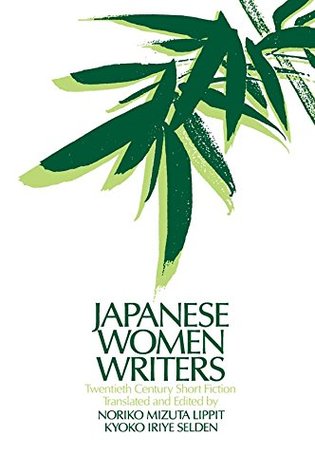
The stigma of communism and socialism has strongly impacted the extent of its presence in literature throughout the United States, and the material available in the form of written and spoken media on the subject is rarely complimentary. Going off of what little understanding one has of proletarian literature, many are quick to highlight the loss of identity and ownership as key characteristics. But the movement was so much more than these misconstrued interpretations of its intentions. The movement was one of love. Love for those around them that were suffering as they were suffering. Love for their families and friends. Love for themselves. But masculinity in proletarian writing tends to focus on suffering rather than on personal connections. Miyamoto Yuriko’s short story “The Family of Koiwai” is for readers who want a broader understanding of the movement's motivations. While some readers may interpret Miyamoto’s work as identical to other proletarian literature, its focus on the love and devotion within the movement through her focus on the wife of a communist member makes it a unique reading that stands out in its genre.
“The Family of Koiwai” concerns the life of Tsutomu and his wife Otome. Tsutomu is a communist poet who has suffered badly at the hands of the police which previously forced the couple to send away their daughter, Mitsuko. The financial circumstances continue to worsen until they are forced to invite Tsutomu’s family, with whom Mitsuko had been staying, to come and live with them in Tokyo.
At the first, the dynamic of the seven family members in one living space is uncomfortable, to say the least. Their interruption of each other's sleep and work makes it almost unbearable for them. Then when their expenses suddenly rise due to an ill family member and Tsutomu’s need for a safe place to work, Otome takes a job as a bar girl. A job that she and Tsutomu disliked. As the story comes to an end, you see a shift within the family. Otome comes to a quiet revelation about the depth of her relationship with Tsutomu and Tsutomu’s father, who before was staunchly against Tsutomu’s career, has found he agrees with the values of his son. The values of a kinder world.
In some ways, Miyamoto incorporates the very stereotypical elements of the proletarian literature. She highlights a theme of devotion to the cause through Tsutomu. Tsutomu is the stereotypical character found in proletarian works. He is a man who sacrifices his health, his relationships, and his lively hood to a cause that defines him. He becomes so engrossed in the movement he can give no time or thought to his family. It is his character that might trick Miyamoto’s readers into thinking that her story comes from the same perspective as the male proletarian writers before her.
Yet Miyamoto’s narrative is not focused on Tsutomu. Even though he himself is a member of the proletarian movement, the focus of her short story is on Otome. As the wife and not the communist, the first impression of Otome is simply of the dotting wife. Everything she does is in devotion to her husband. Her connection to the movement seems irrelevant. But her view of the movement is through familial love, and that is how she expresses her support. While Tsutomu is the communist, it is Otome, not Tsutomu, who finally shifts Tsutomu’s father’s view on Tsutomu’s work. The reader learns that it was through her devotion to Tsutomu that she learned to devote herself to the cause, but her devotion to communism only deepens her devotion to her husband. "The value of the proletarian movement and the value of Tsutomu had permeated her being"(18). Where Tsutomu sees the work of the movement, Otome understands the deeper meaning of societal compassion and empathy. By devoting herself to Tsutomu, she feels that she is serving the communist movement best. This stands out in a genre that is dominated by the masculine perspective and how they view and serve the movement. Miyamoto’s writing works to expose the many ways that women in the movement serve the cause without asking for recognition or demanding appreciation.
Miyamoto’s “The Family of Koiwai” presents several key features found in all proletarian literature. However, her perspective as a female member of the movement provides the reader with a deeper understanding of the motivations for the movement outside of poverty making this a read for anyone interested in a perspective they will not often be exposed to, especially in proletarian literature.