Test
Test read more
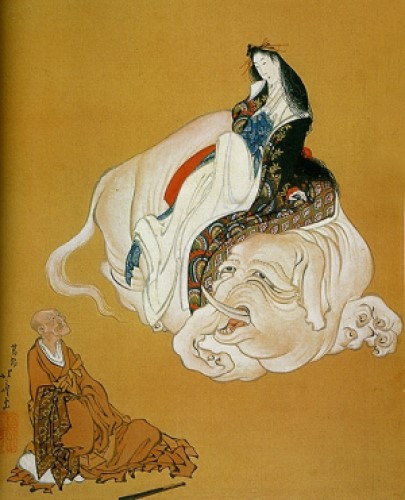
a res
Test
Linfamy. “The CRAZY Ways Japanese Courtesans Dealt With Pregnancies.” YouTube, May 22, 2021. https://www.youtube.com/watch?v=eKBNLBZWquc&list=PLOWnSFzV-C9Yi1N1cZ_u2v-ed5tNeBXaK&index=10.
This video by Linfamy offers an engaging and accessible introduction to historical perspectives on courtesan life in Tokugawa Japan (1603-1868), focusing on how pregnancies were handled in that context. The creator sources two scholarly works, Fertility and Pleasure: Ritual and Sexual Values in Tokugawa Japan by William R. Lindsey and Women and Class in Japanese History by various authors, to address questions like whether courtesans had agency in deciding to keep their babies, societal views on abortion, and the use of contraceptives during the period. Linfamy is known for presenting historical topics with humor and charisma, using a mix of essential information and lighthearted, sometimes irreverent, commentary. This style makes the material approachable for a general audience but may not appeal to those seeking purely academic or formal presentations. The video does a good job of providing historical context while simplifying complex ideas, making it a strong starting point for anyone curious about the topic. While the humor is a defining feature, it occasionally risks overshadowing the gravity of the subject matter. Still, the content remains informative, covering a broad range of questions and offering meaningful insights into gender, sexuality, and societal norms in classical Japan. This video is particularly useful for beginners seeking an entertaining yet educational overview of courtesan life during this period.
Hix, Lisa. “Sex and Suffering: The Tragic Life of the Courtesan in Japan’s Floating World.” Collectors Weekly, March 23, 2015. https://www.collectorsweekly.com/articles/the-tragic-life-of-the-courtesan-in-japans-floating-world/.
This article gives a fascinating and focused look at the realities of courtesan life in the Edo period (1603-1868). It provides plenty of context to understand the era, touching on politics, fashion, gender roles, and societal expectations. At first glance, courtesans might seem better off than women in farming villages because they were well-fed, well-dressed, and often highly educated. However, the article explains how these privileges were part of an idealized illusion of the floating world (a form of escapism fostered by the entertainment districts in the Edo period, featuring courtesans, actors, musicians, and more), created and maintained by men who worked hard to promote it. Hix does a great job breaking down the layers of this illusion by showing how courtesans were celebrated for their education, ability to fake emotions, and cultural influence as fashion icons. But behind the glamour, they faced immense pressure to meet the expectations of the brothels and society, revealing the burden and suffering they carried. This article is easy to follow and doesn’t require much background knowledge to understand, which makes it perfect for anyone wanting to learn more about courtesan life during this period. While a lot of what’s covered overlaps with what we’ve discussed in class, I enjoyed how it used courtesan life as a lens to touch on so many different topics, from fashion to morality to gender roles. It’s a great read for anyone looking to explore the Edo period from this unique perspective.